
This year, the journey to Groningen was taken by Hania Derej, Yana Couto, Leona Jacewska, Hér, Cinnamon Gum, and Omasta. Each of these performances left a clear impression, sparking curiosity, enthusiasm, and admiration among audiences.
The festival opened with Yana Couto. At Oosterpoort Binnenzaal, she calmed listeners’ emotions with contemporary chamber music, piano melodies, and subtle additions - including pre-recorded birdsong. It was a concert of focus and attentiveness, an ideal opening to several intense days.
At the opposite emotional extreme was one of the final concerts by the Polish delegation. At Huize Maas, Leona Jacewska set the packed club in motion with deep, bass-driven sounds. The energy of that performance lingered long afterward in Groningen’s freezing air.
Between these two poles unfolded everything that best defines today’s Polish music scene. Hér mesmerized audiences at A-Theatre with a dark, hypnotic blend of tradition and modernity. Cinnamon Gum proved at MXT Main that Polish funk and soul can be both gripping and crowd-moving. Meanwhile, Omasta took over Grand Theatre – a club housed in a nearly century-old cinema – demonstrating that contemporary Polish jazz is a powerful force of talent, imagination, and technical freedom.
She also added her story Hania Derej added another chapter to this story. Performing with her trio at Nieuwe Kerk, she moved fluidly between jazz, chamber music, and sounds reminiscent of film scores. At the end of her set, she addressed the audience with the words: “Don’t look back – move forward.” It would be hard to find a better summary of the Polish presence in Groningen.
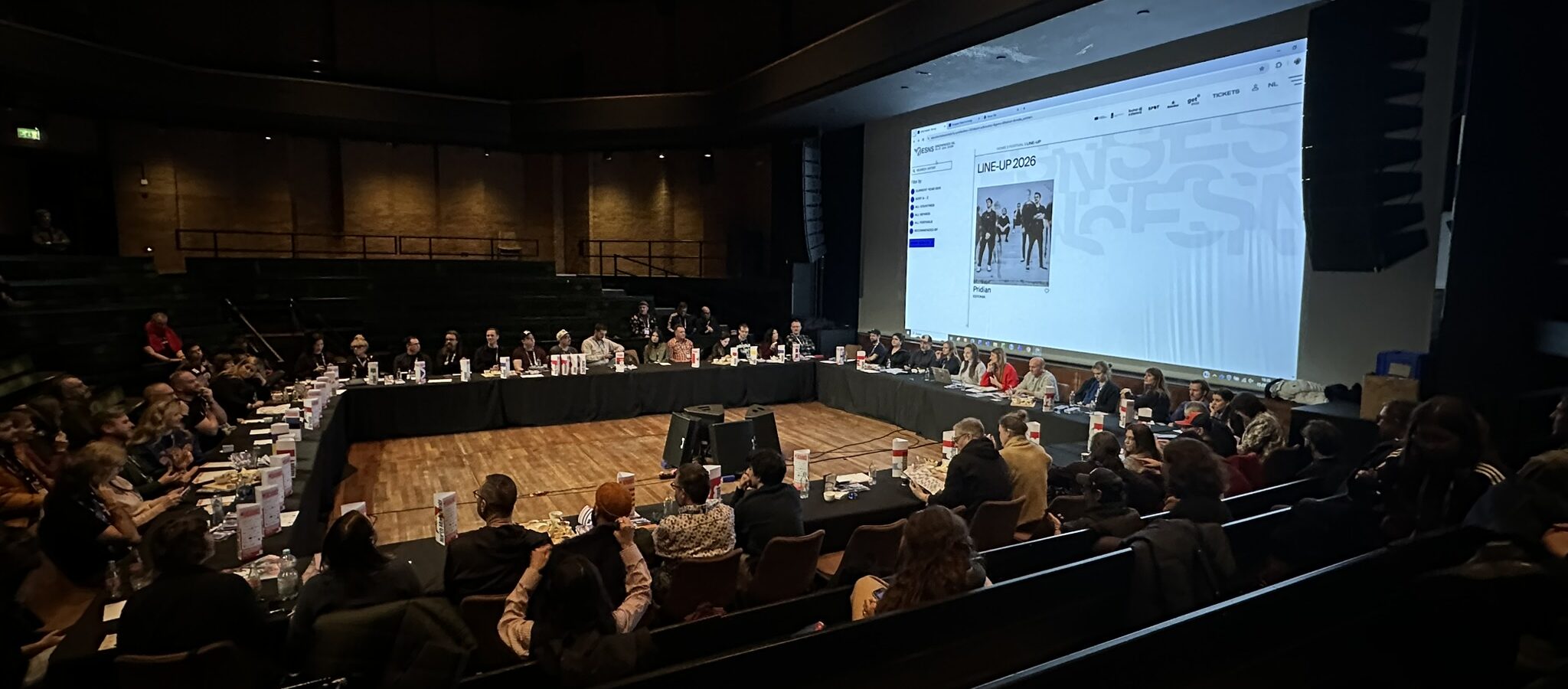
ESNS, however, is not only about concerts. Running alongside the festival was a conference where professionals from around the world discussed the state of the music industry, its future, and the areas that require change – or persistence and long-term commitment.
One of the key discussions was the panel “How will the EU’s next big funding plan shape the future of music? Find out why it matters for you,” featuring Georg Häusler, Director for Culture, Creativity and Sport at the European Commission (DG EAC). The conversation focused on funding opportunities across the entire music ecosystem – from festivals and clubs to artists, organizations, and promotional initiatives.
In this context, Justin O'Connor's book “Culture Is Not an Industry” was referenced – a critical reflection on how culture functions today, and a call to reclaim it from an overly commercialized and depoliticized space. This discussion will continue at Music Week Poland, taking place in Warsaw from May 6 to 10, 2026, where O’Connor will be one of the key speakers.
The Polish delegation was also present at EMEE Presenta(Recep)tion – an event organized by EMEE, the European music export network, bringing together international bookers and music industry professionals.
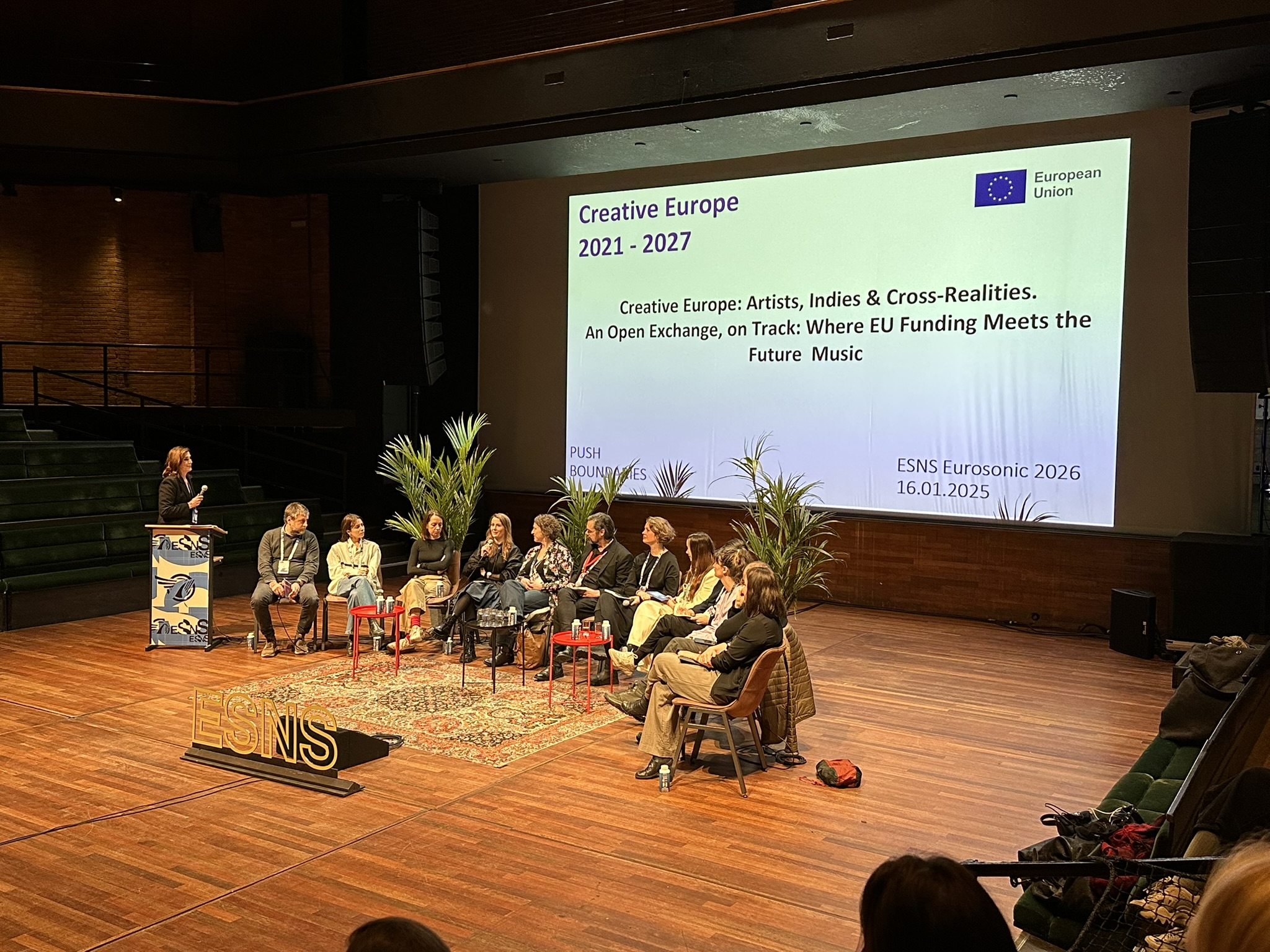
Tamara Kamińska, President of Culture Hub Poland and CEO of Music Week Poland, also took part in the panel “Artists, Indies & Cross-Realities. An Open Exchange: On Track – Where EU Funding Meets the Future of Music”. She stressed the importance of education, while also reminding everyone that in order to maintain a healthy cultural export, it is equally important to invest in cultural import.
One of the highlights was the Polish reception Poland in Sound. The event attracted both Polish and international guests eager for conversation, exchange, and the building of new professional relationships. Alongside artists, the reception was attended by a delegation supported by Culture Hub Poland: Radek Chudzio (Force Entertainment), Adam Drzewiecki (MIH Agency), Joanna Muszyńska (Your Events Art), Rafał Chwała (Inne Brzmienia Festival), Aśka Grochulska (Manko Agency), and Piotr Tokarski (ZAiKS). The delegation representing Culture Hub Poland and Music Week Poland itself comprised Tamara Kamińska, Jarek Szubrycht, Agata Moska, Magdalena Szuba, Franciszek Szczawiński, Aleksander Moś, Tomasz Ochota, and Łukasz Kamiński.
Once again, Groningen proved to be a place for encounters of real significance – artistic, professional, and symbolic. And the words spoken from the stage at Nieuwe Kerk resonated with particular relevance throughout these days: don’t look back - move forward.